
 EN
EN DE
DE IT
IT FR
FR ES
ES RU
RU JP
JP RO
RO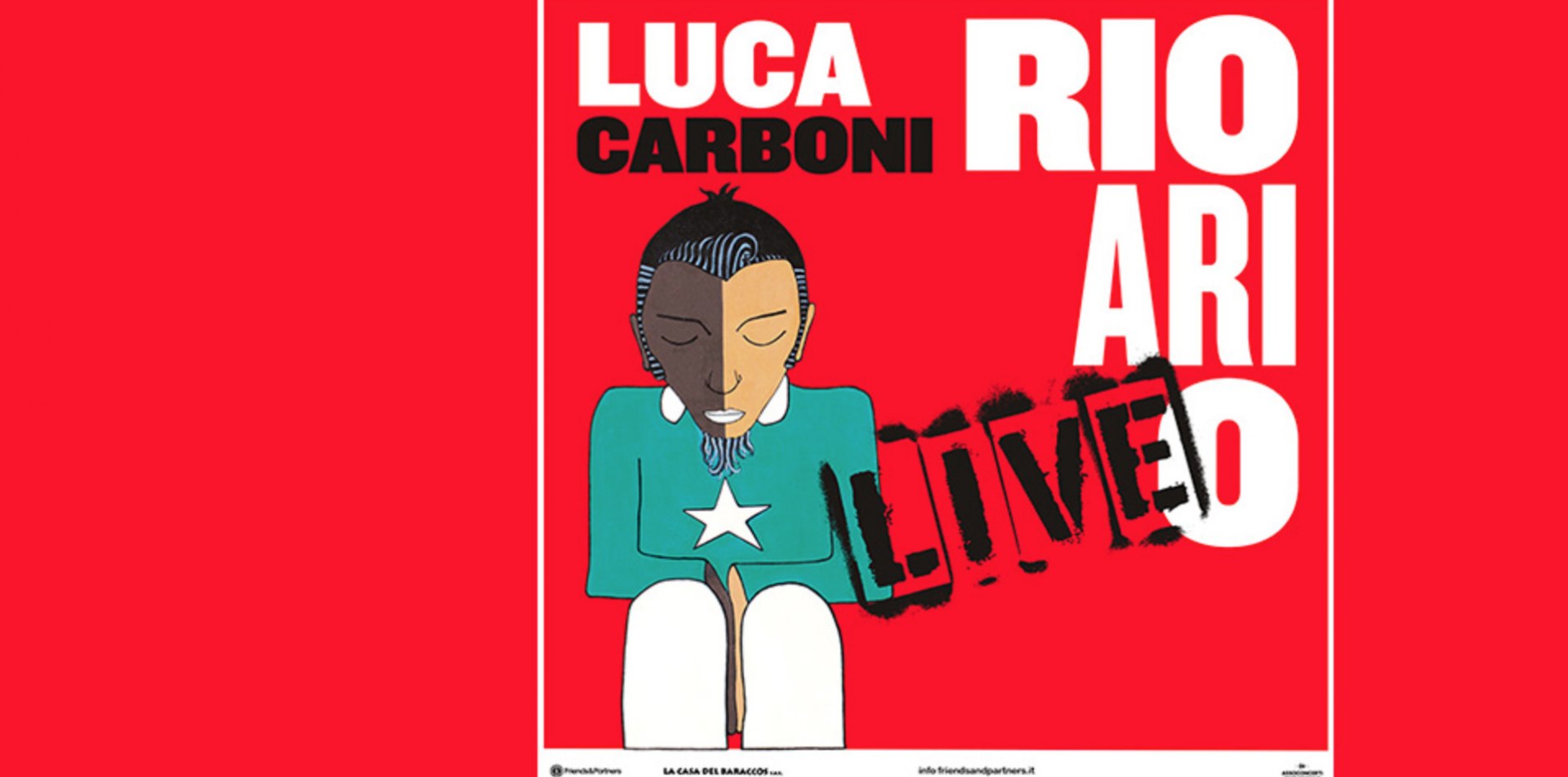
Luca Carboni
Order tickets
 November 2026 November 2026 | ||||||
|---|---|---|---|---|---|---|
Mo | Tu | We | Th | Fr | Sa | Su |
Luca Carboni is one of the most beloved voices of Italian pop music. Emerging in the 1980s, he quickly gained recognition for his poetic lyrics and distinctive, intimate vocal style. Over the decades, Carboni has created a rich repertoire of songs that explore themes such as love, youth, social change, and personal reflection. His music blends melodic pop with thoughtful songwriting, often capturing the emotional nuances of everyday life. With numerous successful albums and collaborations, he has remained relevant across generations, constantly evolving while staying true to his artistic identity. On stage, Luca Carboni offers heartfelt performances that connect deeply with audiences, combining nostalgia with contemporary sounds. His concerts are journeys through Italian music history, filled with authenticity, sensitivity, and timeless melodies.
Program and cast
Teatro Antico di Taormina
Ancient theatre of Taormina
Description
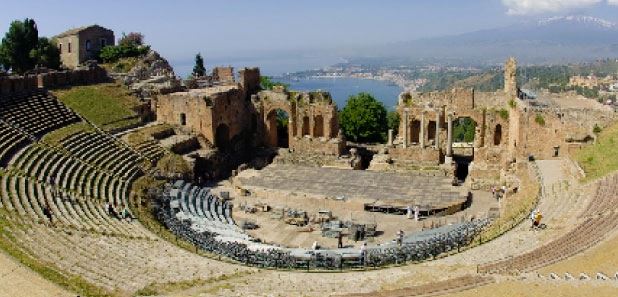
The ancient theatre (the teatro greco, or "Greek theatre") is built for the most part of brick, and is therefore probably of Roman date, though the plan and arrangement are in accordance with those of Greek, rather than Roman, theatres; whence it is supposed that the present structure was rebuilt upon the foundations of an older theatre of the Greek period. With a diameter of 120 metres (390 ft) (after an expansion in the 2nd century), this theatre is the second largest of its kind in Sicily (after that of Syracuse); it is frequently used for operatic and theatrical performances and for concerts. The greater part of the original seats have disappeared, but the wall which surrounded the whole cavea is preserved, and the proscenium with the back wall of the scena and its appendages, of which only traces remain in most ancient theatres, are here preserved in singular integrity, and contribute much to the picturesque effect, as well as to the interest, of the ruin. From the fragments of architectural decorations still extant we learn that it was of the Corinthian order, and richly ornamented. Some portions of a temple are also visible, converted into the church of San Pancrazio, but the edifice is of small size.

Related events