 en
en  de
de it
it fr
fr es
es ru
ru jp
jp ro
ro
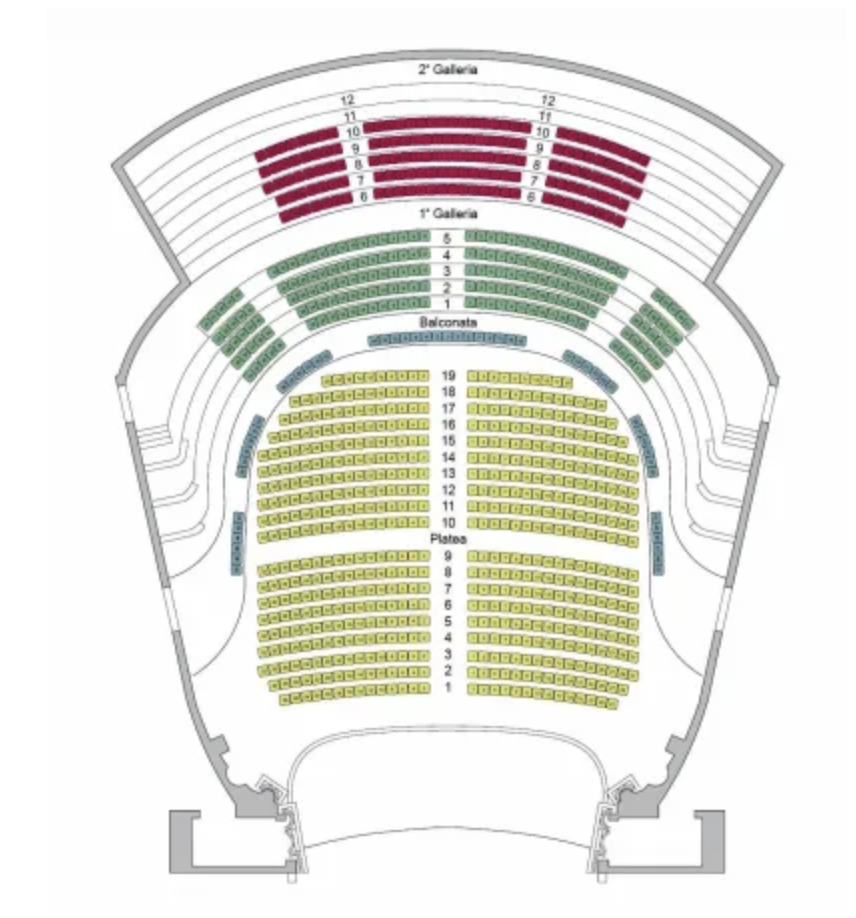
 Teatro Nuovo
 Sat 24 Oct 2026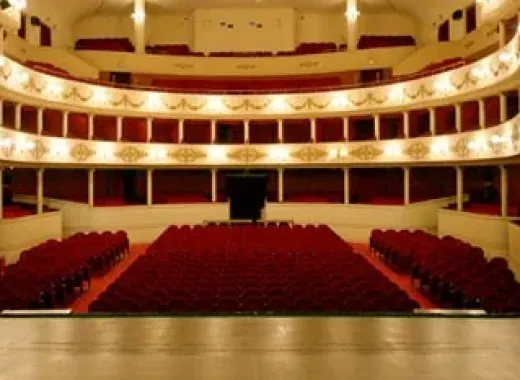
The Teatro Nuovo is the second opera house in Verona and Veneto, as well as one of Italy’s main theaters. Currently, it is used more for plays than for musical performances or conferences. Located in the historic city center, the Teatro Nuovo is just a short walk from Piazza delle Erbe, Via Mazzini, and Piazza dei Signori. Adjacent to Juliet's House, it has direct access to the courtyard housing the famous statue of Juliet through the Foyer Hall and the Lovers’ Terrace. The Teatro Nuovo became the home of Verona’s Teatro Stabile, recognized in 2005 by the Ministry of Cultural Heritage and Activities.







- Venues

- All genres
- This week
- Opera Festivals in Austria
- Salzburg Festival
- Parndorf Summer Theatre
- Weinviertel Festival
- Kittsee Summer Festival
- Grafenegg Festival
- Carinthian Summer
- Lehár Festival Bad Ischl
- Mörbisch Festival
- Stift Klosterneuburg
- St Margarethen Festival
- St. Margarethen Passion Festival
- Tyrolean Festival Erl
- Styriarte Festival
- Linz CultureSummer in Rosengarten
- Herbst Festival at Esterházy Castle
- Perchtoldsdorf Festival
- Linz Classic at the Cathedral
- Opera Gars Castle
- Bregenz Festival Tickets
- Liszt Festival Raiding
- Klassik unter Sternen
- Cultural Summer Laxenburg
- Festival Berndorf
- Festival Castle Weitra
- Summer Games Melk
- Reichenau Festival
- Sommerarena Bühne Baden
- Schloss Haindorf Langenlois
- Felsenbühne Staatz
- Stockerau Festival
- Bühne Baden
- Schloss-Spiele Kobersdorf
- Musical Summer Kufstein
- Festivals in Germany
- Festivals in Italy
- Arena di Verona Festival
- Caracalla Festival Rome
- Puccini Festival
- Sferisterio Festival
- Taormina Festival
- Taormina Mythos Opera Festival
- Greek Theatre of Syracuse Festival
- Ravena Festival
- Stresa Festival
- Verdi Festival Parma
- Festival of the Maggio Musicale Fiorentino
- Teatro Romano Verona
- Rossini Opera Festival
- Piccolo Opera Festival
- Festival dei Due Mondi
- Taranto Opera Festival
- RDS Stadium Festival
- Bologna Festival
- Vicenza Opera Festival
- Arena di Verona Pop Rock Concerts
- Teatro Nuovo Verona
- Festivals in United Kingdom
- Festivals in Finland



 RM EUROPA TICKET GmbH
 Call now
 Book now